Why Commercial Roofing Systems Fail Sooner Than Expected
Table of Contents
- Understanding Commercial Roofing Systems
- Common Causes of Roofing Failures
- Poor Installation Practices
- Inadequate Maintenance
- Weather-Related Damage
- Drainage and Structural Issues
- Use of Low-Quality Materials
- Preventing Commercial Roof Issues
- Routine Inspections
- Proactive Maintenance
- Material Upgrades and Professional Installation
Key Takeaways
- Most commercial roofing systems fail due to preventable issues like poor installation and lack of maintenance.
- Understanding the common commercial roof issues can help building owners extend roof lifespan.
- Regular inspections, proper upkeep, and quality materials are essential to avoiding costly roofing failures.
Understanding Commercial Roofing Systems
A commercial roof is a critical component of any building’s infrastructure, and understanding commercial roofing systems is the first step toward preventing costly problems. Unlike residential roofing, commercial roofs cover larger areas, endure heavier loads, and withstand extreme weather conditions. Because of their scale and complexity, they require specialized materials, professional installation, and ongoing maintenance. Even with a high-quality roof, roofing failures often occur sooner than expected if these factors are overlooked. Many building owners also explore options like Duro-Last roofing for commercial buildings to enhance durability and reduce long-term issues.
Investing in a high-quality commercial roof is only part of the equation. Many building owners assume that a new installation guarantees long-term performance. Unfortunately, commercial roof issues often surface when underlying problems are ignored. Understanding why these failures happen is key to protecting your property and budget.
Common Causes of Roofing Failures
Poor Installation Practices
The quality of installation plays a significant role in how long a commercial roof will last. Even premium materials can fail prematurely if installed incorrectly. Common installation mistakes include:
- Improper sealing of seams or joints
- Incorrect application of flashing around edges and penetrations
- Using incompatible materials
- Failing to follow manufacturer guidelines
These mistakes create weak points, allowing water to penetrate and cause leaks, mold growth, or structural damage. Hiring experienced roofing contractors trained in complex commercial roofing systems minimizes installation-related failures.
Inadequate Maintenance
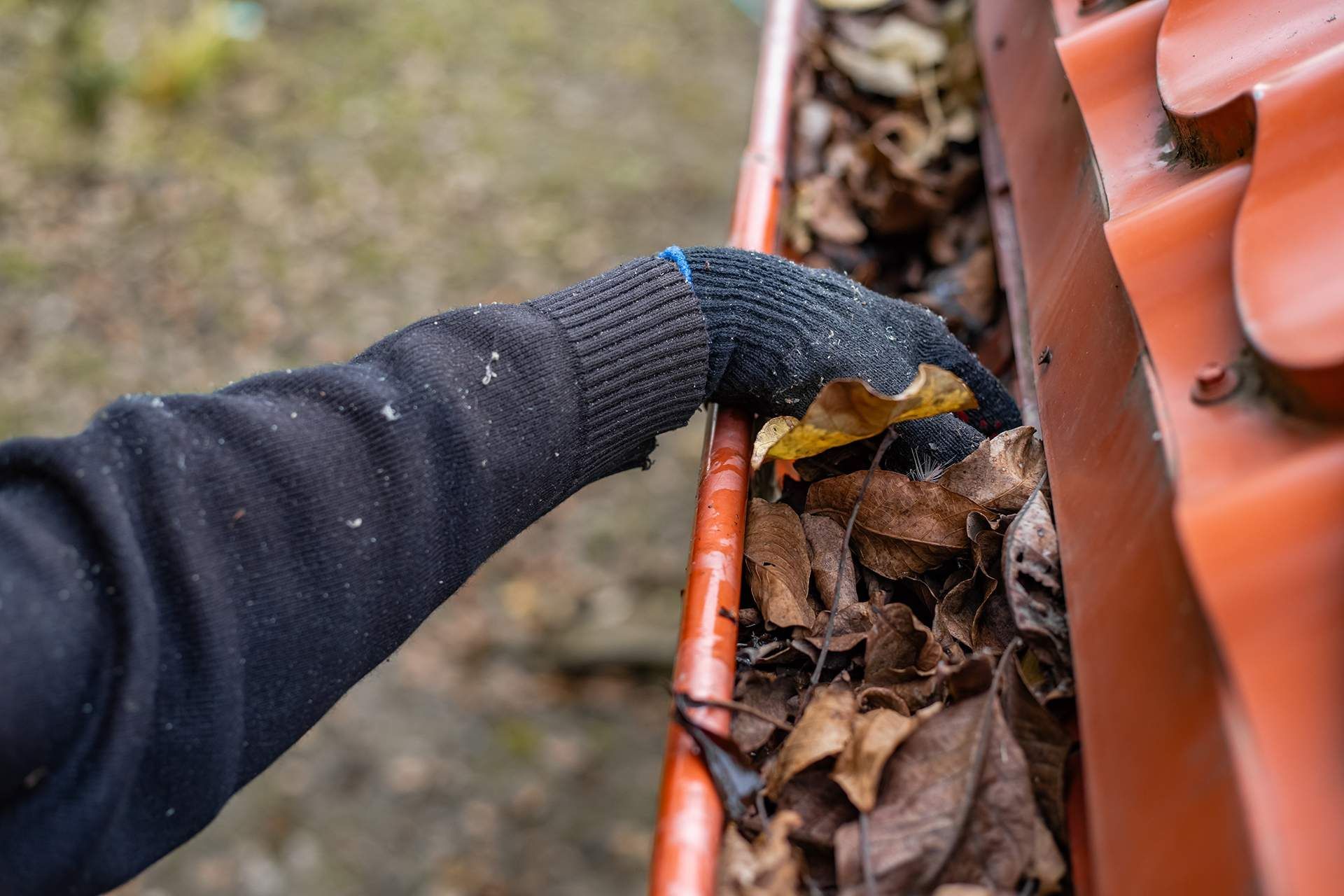
Neglecting routine maintenance is a leading cause of commercial roof issues. Over time, debris and organic material can accumulate, obstructing drainage and trapping moisture. Without regular upkeep, small problems escalate into major damage. Key maintenance tips include:
- Scheduling annual or bi-annual professional inspections
- Cleaning debris from roof surfaces and drains
- Checking for cracks, blisters, or signs of water infiltration
Regular maintenance prevents roofing failures and extends the life of your investment. Skipping maintenance often leads to unexpected repairs and a shortened roof lifespan.
Weather-Related Damage
Commercial roofs face year-round exposure to extreme elements. Some weather-related issues include:
- Thermal expansion and contraction causing material stress
- Ponding water from heavy rainfall or blocked drains
- Ice dam formation in colder climates
- Wind uplift loosening shingles or membrane layers
Understanding weather impacts and selecting weather-resistant materials can significantly reduce commercial roof issues.
Drainage and Structural Issues
Improper drainage is a common yet overlooked cause of roofing failures. Flat or low-slope roofs often accumulate water, leading to leaks, mold, and structural damage. Solutions include:
- Ensuring the roof has an adequate slope for water runoff
- Installing or maintaining gutters, downspouts, and internal drains
- Reinforcing structural support in older buildings
Addressing drainage concerns early prevents costly repairs and prolongs the life of commercial roofing systems.
Use of Low-Quality Materials
Cost-saving may be tempting, but low-quality roofing materials are a major contributor to roofing failures. They are more susceptible to cracking, blistering, and degradation. To maximize roof lifespan:
- Choose materials rated for your building’s climate
- Select membranes, coatings, or shingles from reputable manufacturers
- Consider long-term value over short-term savings
High-quality materials combined with professional installation reduce the risk of commercial roof issues.
Preventing Commercial Roof Issues
Routine Inspections
Routine inspections help identify small problems before they become costly. Professional contractors can detect early signs of wear, water infiltration, or structural stress. A structured inspection schedule allows building owners to maintain control over their commercial roofing systems.
Proactive Maintenance
Proactive maintenance extends roof life. Beyond cleaning debris and checking drainage, consider:
- Reapplying protective coatings
- Repairing minor cracks or membrane damage promptly
- Reinforcing high-traffic areas
Consistent attention reduces commercial roof issues and expensive emergency repairs.
Material Upgrades and Professional Installation
When replacing or upgrading a roof, selecting the right materials and professional installation is critical. Modern roofing products offer enhanced durability, energy efficiency, and weather resistance. Experienced contractors ensure commercial roofing systems are installed correctly, adhering to industry standards.
Combining quality materials with expert installation and ongoing maintenance prevents premature roofing failures and protects your building investment for decades. For professional guidance, expert installation, and reliable maintenance services, contact Kappa Commercial Roofing today. Our team specializes in durable commercial roofing systems and can help identify potential roofing failures before they escalate.
Reach out via our contact page, call us at (313) 421-6708, or email kapparoofing@gmail.com to ensure your commercial roof stays in top condition and protects your investment for years to come.
Frequently Asked Questions
Why do commercial roofing systems fail sooner than expected?
We’ve found that most commercial roofing systems fail due to poor installation, lack of maintenance, and low-quality materials. By understanding these issues, we can take steps to extend our roof’s lifespan and avoid costly repairs.
How often should we inspect our commercial roof?
We recommend scheduling professional inspections at least once or twice a year. Routine checks help us spot leaks, cracks, or drainage problems early, keeping our commercial roofing system in top shape.
Can weather really damage our commercial roof?
Yes, extreme weather can cause thermal expansion, ponding water, ice dams, or wind damage. By selecting weather-resistant materials and maintaining our roof, we reduce the risk of premature commercial roofing failures.
Are low-quality materials a risk for our commercial roof?
Absolutely. Using low-quality materials can lead to cracks, blisters, and early deterioration. We always prioritize high-quality membranes, coatings, or shingles to protect our building investment.
How can we prevent commercial roof issues?
We prevent roofing issues through routine inspections, proactive maintenance, and professional installation. Combining quality materials with consistent care ensures our commercial roof lasts longer and performs reliably.
Related Posts