Why Roof Recover Is Often a Better Option Than Full Replacement
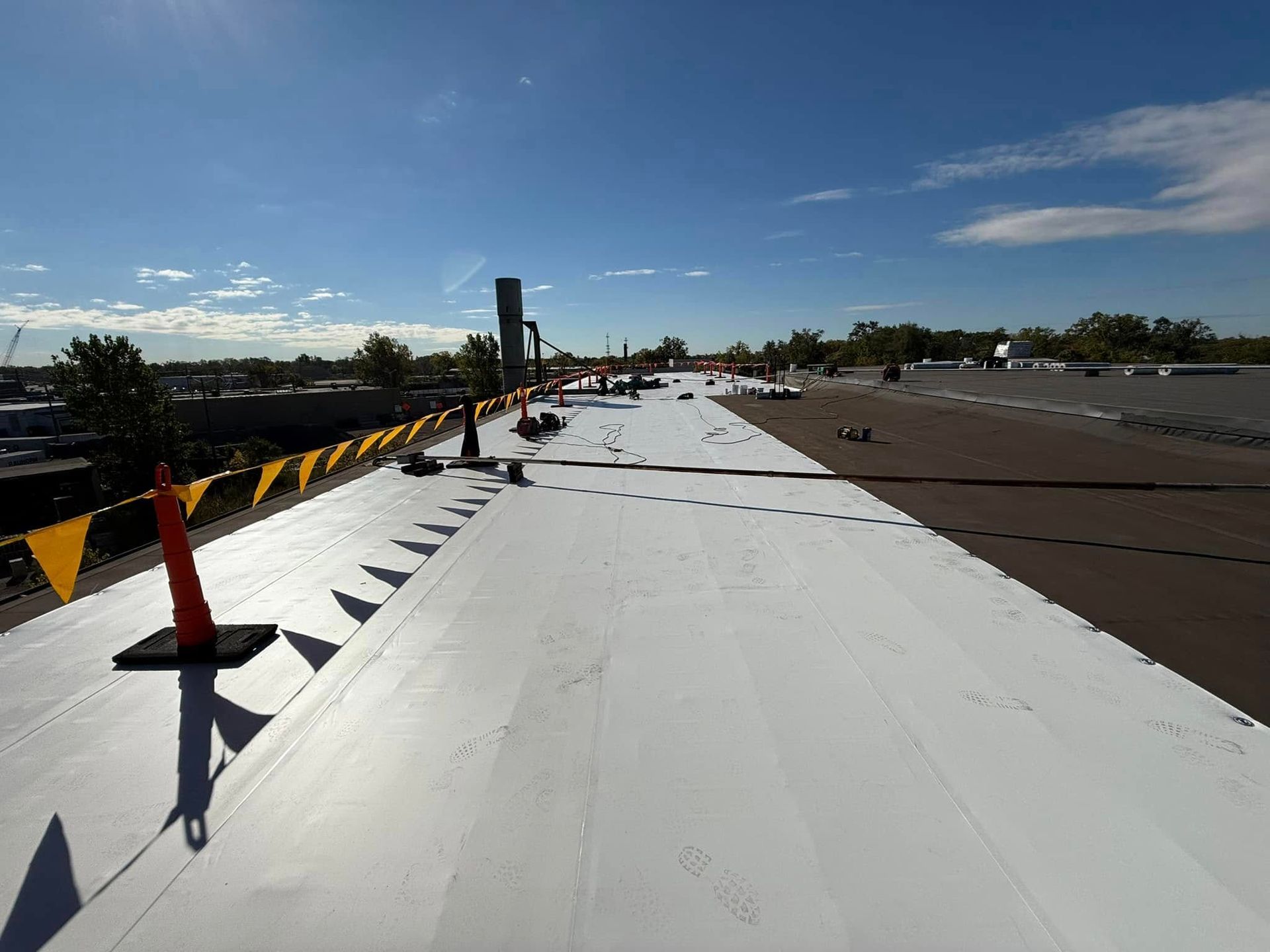
Table of Contents
- Why a Roof Recover Could Be the Smartest Choice
- The Cost and Time Benefits You Can’t Ignore
- Reroofing vs Replacement: Making the Right Call
- How a Roof Recover Extends Your Roof’s Lifespan
- Situations Where Roof Recover Is the Best Option
- Practical Tips for Choosing the Right Roofing Solutions
- Wrapping Up: Next Steps for Your Roof
Key Takeaways
- Choosing a roof recover can save money, reduce disruption, and extend the life of a commercial roof.
- Understanding reroofing vs replacement allows building owners to make informed decisions.
- With the right roofing solutions, you can protect your property without unnecessary expense or downtime.
Why a Roof Recover Could Be the Smartest Choice
When we talk to building owners and facility managers about roofing solutions, one of the first things they mention is fear: fear of unexpected leaks, structural damage, and skyrocketing repair costs. Often, their immediate thought is, “Do we need a full roof replacement?” But from our experience, the answer isn’t always yes. That’s where a roof recover comes in—a solution that many overlook, yet can be remarkably effective.
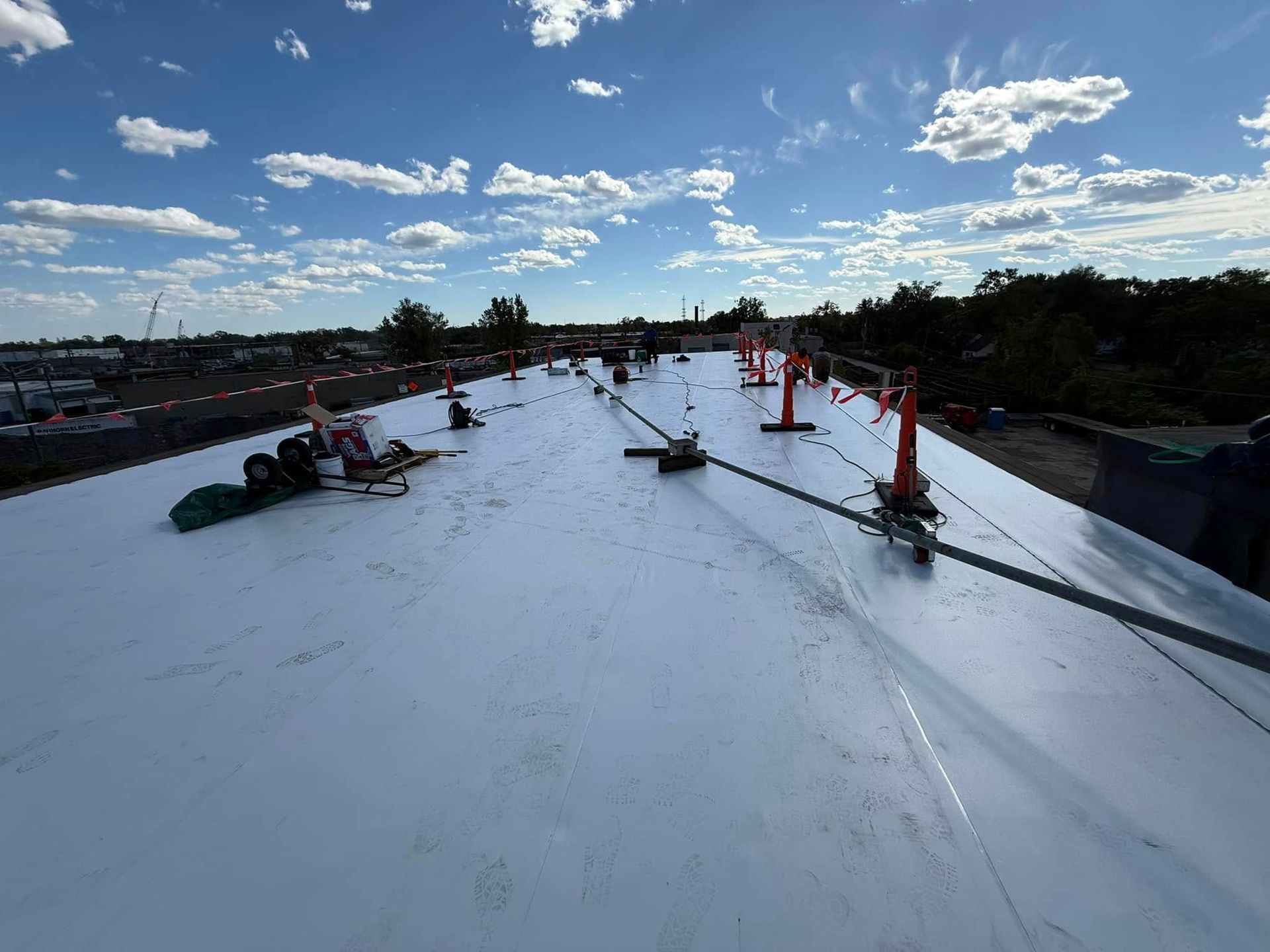
Think of a roof recover like putting a new coat of paint on a wall. You’re not tearing down the house; you’re reinforcing and refreshing what’s already there. Instead of removing the old roof entirely, a new layer is applied over the existing structure. The benefits are immediate: fewer disruptions to your business, faster project completion, and significant cost savings.
We’ve worked on countless office buildings, warehouses, and retail centers where a recover solved problems that owners assumed required a full replacement. And the best part? When installed correctly, it performs just as well, if not better, than a full tear-off in many scenarios.
The Cost and Time Benefits You Can’t Ignore
If you manage multiple properties or run a small business, you know that downtime and cost overruns can hit hard. A roof recover often offers a compelling advantage here. Traditional replacement means removing the old roofing material, hauling it away, and starting from scratch. That process isn’t just labor-intensive—it’s disruptive, messy, and expensive.
By comparison, a recover skips the tear-off phase. We’ve seen projects cut in half time-wise simply because there’s no debris removal or deck prep beyond what’s necessary. For example, in one warehouse project, the team completed a recover in just under a week—a task that would have taken two full weeks for a complete replacement.
Cost savings aren’t trivial either. Less labor, fewer materials to dispose of, and reduced downtime mean your budget stretches further. For small business owners juggling tight margins, this difference can be the deciding factor between repairing on time and delaying until problems worsen.
Reroofing vs Replacement: Making the Right Call
One question we hear constantly is, “Should we reroof, or is a full replacement unavoidable?” Understanding reroofing vs replacement is crucial. While the terms sound similar, they’re distinct in scope, cost, and impact.
A full replacement involves stripping everything down to the roof deck, inspecting the structure, and installing a completely new system. This is necessary when the deck is damaged, insulation is saturated, or multiple layers have accumulated beyond building code limits. It’s a clean slate, but it comes at a premium, both in time and money.
A roof recover, on the other hand, is a more surgical approach. It involves adding a new membrane or layer over the existing roof. If the underlying deck and insulation are still in good condition, a recover can restore your roof’s integrity without the upheaval of a complete replacement.
We’ve guided numerous facility managers through this decision. In many cases, a recover met or exceeded expectations, providing reliable protection for years without forcing them to invest in a full replacement prematurely.
How a Roof Recover Extends Your Roof’s Lifespan
A common misconception is that adding a layer over an old roof is just a temporary fix. In reality, a roof recover can dramatically extend your roof’s life.
When we install a new membrane over an existing roof, we’re not just covering damage—we’re enhancing the roof’s resilience. The new layer reinforces the original structure, provides additional waterproofing, and often includes modern materials that reflect UV rays more effectively, helping to control building temperatures.
For warehouses and commercial buildings exposed to intense sun or harsh winters, a recover can act as a shock absorber against expansion and contraction. This reduces stress on the existing materials, which often leads to fewer leaks and longer overall lifespan. In one case, a retail plaza we worked on added a recover layer, and seven years later, the roof remains in excellent condition—without a single major leak.
A recover also allows property owners to postpone the financial and operational burden of a full replacement while maintaining confidence in the roof’s performance. For those juggling multiple properties, this flexibility is a game-changer.
Situations Where Roof Recover Is the Best Option
Not every roof qualifies for a recover, and we always perform a thorough inspection before making recommendations. That said, there are scenarios where it clearly outperforms replacement:
- Single-layer roofs: Most building codes allow one additional layer. If your roof currently has only one layer and the deck is solid, a recover is often ideal.
- Dry, intact insulation: Wet or saturated insulation compromises any new membrane, so dry, structurally sound insulation is a must.
- Localized damage: Surface deterioration or minor wear is perfect for a recover. If the roof deck itself is intact, covering the problem area can be highly effective.
- Tight budgets or time-sensitive projects: Recover projects are faster, cheaper, and less disruptive—perfect for businesses that can’t afford prolonged downtime.
One thing we always emphasize is that a professional inspection is non-negotiable. We’ve encountered property owners who thought their roof needed replacement, only to find a recover would save them tens of thousands of dollars and weeks of operational downtime.
Practical Tips for Choosing the Right Roofing Solutions
Deciding between a recover and replacement isn’t just about inspecting the roof—it’s about planning for the long-term.
Here are a few insights from our field experience:
- Request a moisture survey.
Moisture can hide beneath the surface and sabotage even the best recover. Thermal imaging or infrared scans are non-invasive ways to pinpoint trouble spots before work begins. - Consider your building’s lifespan.
If you plan to keep the property for decades, a recover can bridge the gap until a full replacement becomes necessary. If selling is on the horizon, a recover can improve curb appeal and add perceived value without heavy upfront costs. - Check local codes. Some jurisdictions restrict the number of roof layers allowed. Confirming compliance prevents wasted effort and ensures your investment is protected.
- Evaluate material options.
Membranes like TPO, PVC, or modified bitumen have unique benefits. Choosing the right material affects durability, maintenance, and energy efficiency. We always help clients weigh these options in the context of their climate, building type, and long-term strategy. - Think about long-term maintenance.
A recover isn’t just about immediate cost savings—it can simplify ongoing maintenance. By reinforcing the existing roof, we reduce the likelihood of leaks and damage, which translates to fewer emergency repairs and predictable maintenance budgeting.
From our perspective, every property is different, and the “right solution” comes from experience, inspection, and honest advice. That’s why we take the time to guide building owners and small business managers through the pros and cons, helping them make informed decisions that protect both their budget and their property.
Wrapping Up: Next Steps for Your Roof
A roof recover is more than a quick fix—it’s a strategic, cost-effective solution for building owners who want reliable protection without unnecessary expense or disruption. Understanding reroofing vs replacement is key to making the right decision. With a well-executed recover, you can extend your roof’s life, improve energy efficiency, and maintain structural integrity.
From our years of experience in commercial roofing, we’ve seen how a recover can prevent emergencies, reduce downtime, and give property owners peace of mind. If you’re managing multiple properties or need a practical solution that fits your budget, this approach often makes the most sense.
If you’re ready to explore the best roofing solutions for your building, contact Kappa Commercial Roofing today. Our team will perform a thorough inspection, discuss options like a roof recover versus full replacement, and guide you toward the most cost-effective, long-lasting solution. Let’s protect your investment together and keep your business running smoothly.
Frequently Asked Questions
When should we choose a roof recover instead of a full replacement?
We usually opt for a roof recover when the existing deck and insulation are in good condition, and the damage is mostly surface-level. This saves money, reduces downtime, and extends the roof’s lifespan without a complete tear-off.
How does a roof recover extend our roof’s life?
By adding a new membrane over our existing roof, we reinforce its structure, improve waterproofing, and reduce stress from weather. This helps prevent leaks and keeps our commercial roof performing longer.
What’s the main difference between reroofing and full replacement?
Reroofing, or a roof recover, adds a new layer over the old roof, while full replacement removes everything down to the deck. We choose based on structural integrity, insulation condition, and budget considerations.
Are roof recovers cost-effective for our business?
Yes. We save on labor, material disposal, and downtime. Recovering a roof is often faster and cheaper than replacement, letting us maintain our building’s protection without breaking the budget.
What factors do we consider before a roof recover?
We inspect moisture levels, insulation condition, and roof deck integrity. We also check local codes and material options to ensure our roof recover is safe, compliant, and long-lasting.
Related Posts